
Overview of the Chapter
This chapter, titled "Hamara Bharat – Incredible India!", explores the rich cultural heritage, geographical diversity, and historical significance of India. It highlights the unity in diversity that defines the nation, covering aspects such as languages, festivals, traditions, and landmarks.
Key Themes
Unity in Diversity: India is home to numerous religions, languages, and cultures coexisting harmoniously.
Geographical Diversity: From the Himalayas in the north to the coastal regions in the south, India's landscape is varied and breathtaking.
Cultural Heritage: India's festivals, dances, music, and art forms reflect its vibrant traditions.
Important Landmarks
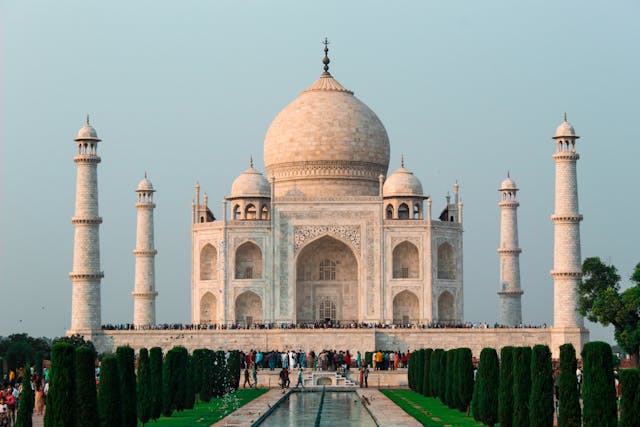
- Taj Mahal – A symbol of love and a UNESCO World Heritage Site.
- Red Fort – A historical fort in Delhi representing India's struggle for independence.
- Gateway of India – An iconic monument in Mumbai.
Festivals of India
- Diwali – The festival of lights celebrated across the country.
- Holi – The festival of colors marking the arrival of spring.
- Eid and Christmas – Celebrated by people of different religions, showcasing India's secularism.
Languages and Literature
India has 22 officially recognized languages, with Hindi and English being the most widely spoken. Sanskrit, Tamil, and other classical languages have rich literary traditions.
Conclusion
This chapter emphasizes the incredible diversity and unity of India, encouraging students to take pride in their nation's heritage and cultural richness.