The Environment and Pollution – CBSE NCERT Study Resources

Previous Chapter Next Chapter
The Environment and Pollution

Study Materials

5th

5th - Social Studies (SST)

The Environment and Pollution

Jump to Question Sets

The Environment and Pollution

Chapter Overview

This chapter introduces students to the concept of the environment and the different types of pollution affecting it. It explains the importance of a clean environment and the role humans play in both causing and preventing pollution.

What is the Environment?

The environment includes all the living and non-living things around us, such as air, water, soil, plants, and animals. It provides us with essential resources for survival.

Types of Pollution

Pollution is the introduction of harmful substances into the environment. The main types of pollution are:

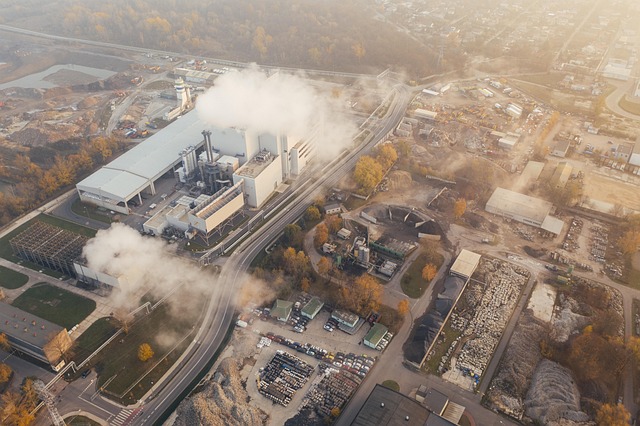
  • Air Pollution: Caused by smoke from vehicles, factories, and burning of waste.
  • Water Pollution: Occurs when harmful chemicals or waste are dumped into rivers, lakes, or oceans.
  • Soil Pollution: Results from excessive use of pesticides and dumping of plastic waste.
  • Noise Pollution: Caused by loud sounds from vehicles, machines, and loudspeakers.

Causes of Pollution

Human activities are the primary cause of pollution. Some major causes include:

  • Industrial waste released into air and water.
  • Deforestation leading to loss of trees that clean the air.
  • Plastic waste that does not decompose easily.
  • Excessive use of vehicles emitting harmful gases.

Effects of Pollution

Pollution has severe effects on both the environment and human health:

  • Air pollution can cause respiratory diseases like asthma.
  • Water pollution leads to diseases like cholera and harms aquatic life.
  • Soil pollution reduces soil fertility, affecting agriculture.
  • Noise pollution can cause hearing loss and stress.

Ways to Reduce Pollution

We can help reduce pollution by taking small steps:

  • Using public transport or carpooling to reduce air pollution.
  • Planting more trees to improve air quality.
  • Reducing plastic use and recycling waste.
  • Turning off electrical appliances when not in use to save energy.

Conclusion

A clean environment is essential for a healthy life. By understanding the causes and effects of pollution, we can take steps to protect our planet for future generations.

All Question Types with Solutions – CBSE Exam Pattern

Explore a complete set of CBSE-style questions with detailed solutions, categorized by marks and question types. Ideal for exam preparation, revision and practice.

Very Short Answer (1 Mark) – with Solutions (CBSE Pattern)

These are 1-mark questions requiring direct, concise answers. Ideal for quick recall and concept clarity.

Question 1:
Name two natural sources of air pollution.
Answer:
  • Volcanic eruptions
  • Forest fires
Question 2:
What is the main cause of water pollution in rivers?
Answer:

The main cause is the discharge of untreated sewage and industrial waste into water bodies.

Question 3:
How does deforestation contribute to pollution?
Answer:

Deforestation reduces the number of trees that absorb carbon dioxide, leading to increased air pollution and climate change.

Question 4:
What is biodegradable waste? Give one example.
Answer:

Biodegradable waste is waste that can be broken down naturally by microorganisms. Example: vegetable peels.

Question 5:
Name one way to reduce soil pollution.
Answer:

Using organic farming methods instead of chemical fertilizers and pesticides.

Question 6:
How can we reduce air pollution from vehicles?
Answer:
  • Using public transport
  • Switching to electric vehicles
Question 7:
What is e-waste?
Answer:

E-waste refers to discarded electronic devices like phones and computers, which can harm the environment if not disposed of properly.

Question 8:
Name one effect of water pollution on aquatic life.
Answer:

It can lead to the death of fish and other marine organisms due to lack of oxygen.

Question 9:
What is the role of the ozone layer in the environment?
Answer:

The ozone layer protects Earth from harmful ultraviolet (UV) rays of the sun.

Very Short Answer (2 Marks) – with Solutions (CBSE Pattern)

These 2-mark questions test key concepts in a brief format. Answers are expected to be accurate and slightly descriptive.

Question 1:
What is pollution?
Answer:

Pollution is the introduction of harmful substances or contaminants into the environment, causing damage to living organisms and natural resources. It can be in the form of air, water, soil, or noise pollution.

Question 2:
Name two natural causes of air pollution.
Answer:

Two natural causes of air pollution are:
Volcanic eruptions (release ash and gases)
Forest fires (produce smoke and carbon dioxide)

Question 3:
How does deforestation contribute to environmental problems?
Answer:

Deforestation leads to:
Loss of habitat for animals
Increased carbon dioxide levels (as trees absorb CO2)
Soil erosion due to lack of tree roots

Question 4:
What is the Greenhouse Effect?
Answer:

The Greenhouse Effect is the trapping of the sun's heat by greenhouse gases (like CO2) in the atmosphere, leading to global warming. It is natural but worsened by human activities.

Question 5:
List two ways to reduce water pollution at home.
Answer:

Ways to reduce water pollution at home:
Reusing water (e.g., for plants)
Avoiding chemical cleaners (use eco-friendly products)

Question 6:
Why is noise pollution harmful?
Answer:

Noise pollution can cause:
Hearing loss over time
Stress and sleep disturbances
Disturbance to animals (e.g., birds)

Question 7:
What are biodegradable wastes? Give one example.
Answer:

Biodegradable wastes are materials that can be broken down naturally by microorganisms. Example: Vegetable peels or paper.

Question 8:
How does plastic pollution affect marine life?
Answer:

Plastic pollution harms marine life by:
Entangling animals (e.g., turtles)
Being mistaken for food (e.g., by fish)
Releasing toxins into the water

Question 9:
What are the effects of water pollution on aquatic life?
Answer:

Water pollution harms aquatic life by:
Reducing oxygen levels in water
Poisoning fish with chemicals
Destroying habitats like coral reefs

Question 10:
Give two ways to reduce plastic pollution.
Answer:

Ways to reduce plastic pollution:
Use cloth bags instead of plastic ones
Recycle plastic waste properly

Question 11:
What is the role of the ozone layer in protecting the environment?
Answer:

The ozone layer acts as a shield in the atmosphere, blocking harmful UV rays from the sun. This protects living organisms from skin diseases and maintains Earth's temperature.

Question 12:
Name two human activities that cause soil pollution.
Answer:

Human activities causing soil pollution:
Excessive use of pesticides in farming
Dumping industrial waste on land

Question 13:
Why is noise pollution harmful to humans?
Answer:

Noise pollution can cause:
Hearing loss over time
Stress and sleep disturbances
Difficulty in concentration during work or study

Short Answer (3 Marks) – with Solutions (CBSE Pattern)

These 3-mark questions require brief explanations and help assess understanding and application of concepts.

Question 1:
What is pollution? Name the three main types of pollution.
Answer:

Pollution is the introduction of harmful substances or contaminants into the environment, causing adverse effects on living organisms and natural resources. The three main types of pollution are:

  • Air pollution (caused by smoke, gases, and chemicals)
  • Water pollution (caused by waste, chemicals, and sewage)
  • Soil pollution (caused by pesticides, waste dumping, and chemicals)
Question 2:
What are biodegradable and non-biodegradable wastes? Give two examples of each.
Answer:

Biodegradable waste is waste that can be broken down naturally by microorganisms, such as:

  • Vegetable peels
  • Paper

Non-biodegradable waste is waste that does not decompose naturally and remains in the environment for a long time, such as:

  • Plastic bags
  • Metal cans
Question 3:
How does air pollution affect human health? Mention three harmful effects.
Answer:

Air pollution harms human health in many ways, including:

  • Causing respiratory diseases like asthma and bronchitis.
  • Leading to heart problems due to harmful chemicals entering the bloodstream.
  • Increasing the risk of lung cancer from long-term exposure to polluted air.
Question 4:
What is the Greenhouse Effect? How does it contribute to global warming?
Answer:

The Greenhouse Effect is a natural process where certain gases in the Earth's atmosphere, like carbon dioxide and methane, trap heat from the sun, keeping the planet warm. However, human activities (like burning fossil fuels) increase these gases, trapping too much heat. This leads to global warming, causing:

  • Rising temperatures
  • Melting ice caps
  • Extreme weather changes
Question 5:
List three ways to reduce water pollution in daily life.
Answer:

We can reduce water pollution by:

  • Avoiding dumping chemicals or oil into drains or rivers.
  • Using eco-friendly cleaning products instead of harsh chemicals.
  • Reducing plastic waste, as it often ends up in water bodies, harming aquatic life.
Question 6:
How does air pollution affect human health? Mention three effects.
Answer:

Air pollution harms human health in the following ways:

  • Causes respiratory diseases like asthma and bronchitis.
  • Leads to heart problems due to harmful gases like carbon monoxide.
  • Increases the risk of lung cancer from prolonged exposure to pollutants.
Question 7:
Suggest three ways to reduce water pollution in your locality.
Answer:

To reduce water pollution, we can:

  • Avoid dumping chemical waste or garbage into rivers and lakes.
  • Use eco-friendly detergents to prevent water contamination.
  • Promote rainwater harvesting to conserve clean water.

Long Answer (5 Marks) – with Solutions (CBSE Pattern)

These 5-mark questions are descriptive and require detailed, structured answers with proper explanation and examples.

Question 1:
Explain the causes and effects of air pollution on human health and the environment. Suggest any three measures to reduce it.
Answer:

Air pollution is caused by harmful substances like smoke, dust, and chemicals released into the air. The main causes include:

  • Burning of fossil fuels (coal, petrol, diesel) by vehicles and factories.
  • Smoke from industries and power plants.
  • Dust from construction sites and deforestation.

The effects of air pollution are severe:

  • It causes respiratory diseases like asthma and bronchitis.
  • It harms plants and animals, disrupting the food chain.
  • It leads to acid rain, which damages soil and water bodies.

To reduce air pollution, we can:

  • Use public transport or carpool to reduce vehicle emissions.
  • Plant more trees to absorb harmful gases like carbon dioxide.
  • Switch to clean energy sources like solar and wind power.
Question 2:
Describe how water pollution affects aquatic life and human health. What steps can individuals take to prevent it?
Answer:

Water pollution occurs when harmful substances like chemicals, plastic waste, and sewage enter water bodies. Its effects include:

  • Aquatic animals like fish die due to toxic chemicals, disrupting the ecosystem.
  • Polluted water causes diseases like cholera and dysentery in humans.
  • It makes water unsafe for drinking, cooking, and farming.

Individuals can prevent water pollution by:

  • Avoiding dumping plastic waste or chemicals into rivers or drains.
  • Using eco-friendly products to reduce water contamination.
  • Participating in clean-up drives to keep lakes and rivers clean.

By taking small steps, we can protect water bodies and ensure a healthier environment.

Question 3:
Explain the causes and effects of air pollution on the environment and human health. Suggest two ways to reduce it.
Answer:

Air pollution is caused by harmful substances released into the air, primarily from human activities. The main causes include:

  • Vehicle emissions: Cars and trucks release gases like carbon monoxide and nitrogen oxides.
  • Industrial smoke: Factories emit smoke containing sulfur dioxide and particulate matter.
  • Burning of fossil fuels: Coal and wood burning releases toxic gases.

The effects of air pollution are severe:

  • Health problems: It can cause respiratory diseases like asthma and lung cancer.
  • Environmental damage: It leads to acid rain, which harms plants and water bodies.

To reduce air pollution, we can:

  • Use public transport or carpool to cut down vehicle emissions.
  • Plant more trees, as they absorb carbon dioxide and release oxygen.
Question 4:
Describe the importance of water conservation and list three methods to save water at home and in schools.
Answer:

Water conservation is essential because fresh water is a limited resource, and wasting it can lead to shortages. Importance includes:

  • Sustaining life: All living beings need water to survive.
  • Agriculture: Farmers require water to grow crops.
  • Ecosystem balance: Rivers, lakes, and oceans support diverse wildlife.

Methods to save water:

  • Fix leaks: A dripping tap can waste liters of water daily.
  • Use a bucket instead of a shower to bathe, reducing water usage.
  • Collect rainwater for watering plants or cleaning.

In schools, students can:

  • Turn off taps tightly after use.
  • Reuse water from water bottles for plants.
  • Spread awareness about water conservation through posters.
Question 5:
Explain the causes and effects of air pollution on human health and the environment. Suggest two measures to reduce it.
Answer:

Air pollution is caused by harmful substances like carbon monoxide, sulfur dioxide, and particulate matter released from vehicles, factories, and burning fossil fuels. These pollutants affect human health by causing respiratory diseases like asthma and lung cancer. They also harm the environment by causing acid rain and damaging crops.

Effects on Human Health:

  • Breathing problems and allergies
  • Long-term diseases like heart conditions
Effects on Environment:
  • Damage to plants and animals
  • Global warming due to greenhouse gases
Measures to Reduce Air Pollution:
  • Using public transport or carpooling to reduce vehicle emissions
  • Planting more trees to absorb pollutants
Question 6:
Describe how water pollution affects aquatic life and human beings. List two ways to prevent it.
Answer:

Water pollution occurs when harmful chemicals, plastics, or waste enter water bodies like rivers and lakes. This affects aquatic life by poisoning fish and destroying habitats. Humans are affected when they drink contaminated water, leading to diseases like cholera and dysentery.

Effects on Aquatic Life:

  • Fish die due to toxic chemicals
  • Coral reefs get damaged
Effects on Humans:
  • Drinking polluted water causes illnesses
  • Reduces availability of clean water for daily use
Prevention Methods:
  • Avoid dumping waste into water bodies
  • Treating sewage before releasing it into rivers
Question 7:
Describe the importance of water conservation and list five ways to save water in daily life.
Answer:

Water conservation is important because clean water is a limited resource. Without it, life cannot survive. Wasting water leads to shortages, affecting drinking, farming, and wildlife.

Five ways to save water:

  • Turn off taps tightly after use to prevent water wastage.
  • Use a bucket instead of a shower to bathe, saving hundreds of liters.
  • Fix leaking pipes and taps immediately to avoid unnecessary loss.
  • Collect rainwater in barrels for watering plants or cleaning.
  • Reuse water from washing vegetables to water household plants.

By following these steps, we can ensure that future generations also have enough water for their needs.

Question 8:
Explain the causes and effects of air pollution on the environment and human health. Suggest two measures to reduce it.
Answer:

Air pollution occurs when harmful substances like smoke, dust, and gases are released into the air, making it unsafe. The main causes include:

  • Vehicles releasing exhaust fumes.
  • Factories emitting toxic gases like carbon monoxide.
  • Burning of fossil fuels and waste materials.

The effects of air pollution are severe:

  • It causes respiratory diseases like asthma in humans.
  • It leads to acid rain, which harms plants and water bodies.
  • It contributes to global warming by increasing greenhouse gases.

To reduce air pollution, we can:

  • Use public transport or carpool to decrease vehicle emissions.
  • Plant more trees, as they absorb carbon dioxide and release oxygen.
Question 9:
Describe the importance of water conservation and list three ways to prevent water pollution.
Answer:

Water conservation is crucial because clean water is a limited resource needed for drinking, farming, and sanitation. Without it, life would be difficult.

To prevent water pollution, we can:

  • Avoid dumping chemical waste into rivers or lakes.
  • Reduce the use of plastic, as it often ends up in water bodies.
  • Treat sewage water before releasing it into the environment.

Conserving water also helps in:

  • Saving energy used to purify and transport water.
  • Protecting aquatic life from harmful pollutants.
Question 10:
What is soil erosion? Explain its causes and suggest two methods to prevent it.
Answer:

Soil erosion is the removal of the top layer of soil by wind, water, or human activities, making the land less fertile.

The main causes are:

  • Deforestation (cutting down trees), as roots hold soil together.
  • Excessive farming without giving soil time to recover.
  • Heavy rains or floods washing away loose soil.

To prevent soil erosion, we can:

  • Plant trees and grass, as their roots bind the soil.
  • Build terrace farms on hills to slow down water flow.

Healthy soil is essential for growing crops and maintaining ecosystems.

Case-based Questions (4 Marks) – with Solutions (CBSE Pattern)

These 4-mark case-based questions assess analytical skills through real-life scenarios. Answers must be based on the case study provided.

Question 1:
Riya noticed that the air in her city feels heavy and smells bad, especially in the mornings. She also sees a layer of smoke covering the sky.
(a) What is this phenomenon called?
(b) List two major causes of this problem.
(c) Suggest two ways Riya and her friends can help reduce this issue.
Answer:

(a) This phenomenon is called air pollution, specifically smog, which is a mix of smoke and fog.

(b) Two major causes are:

  • Emissions from vehicles (cars, buses, etc.) releasing harmful gases.
  • Smoke from factories or burning of waste materials.

(c) Riya and her friends can help by:

  • Using public transport or carpooling to reduce vehicle emissions.
  • Planting trees, as they absorb carbon dioxide and release oxygen.

Question 2:
A river near Aarav's village has turned black and foul-smelling. Fish are dying, and people are falling sick after drinking the water.
(a) Identify the type of pollution.
(b) Name two human activities causing this.
(c) What are two effects of this pollution on the environment?
Answer:

(a) This is water pollution, caused by harmful substances contaminating the river.

(b) Two human activities are:

  • Dumping industrial waste directly into the river.
  • Releasing untreated sewage from homes or factories.

(c) Two effects are:

  • Loss of aquatic life (fish, plants) due to toxic chemicals.
  • Health problems for humans, like stomach infections or skin diseases.

Question 3:
In a school project, students observed that plastic bags and wrappers were littered all over their local park.
(a) What kind of pollution is this?
(b) Why is plastic harmful to the environment?
(c) Suggest two alternatives to plastic bags that the students can promote in their community.
Answer:

(a) This is land pollution, specifically caused by plastic waste.

(b) Plastic is harmful because:

  • It does not decompose easily and stays in the soil for hundreds of years.
  • Animals might eat it, leading to choking or death.

(c) Two alternatives are:

  • Cloth bags (reusable and eco-friendly).
  • Paper or jute bags (biodegradable and safe).

Question 4:
Riya noticed that the air in her city feels heavier and visibility is low during winters. Her teacher explained it's due to air pollution. What could be the possible causes of this pollution, and how can Riya contribute to reducing it?
Answer:

The heavy air and low visibility in winters are often caused by smog, a mix of smoke and fog. The main causes include:

  • Burning of fossil fuels by vehicles and industries, releasing harmful gases.
  • Burning of crop residues by farmers, adding to smoke.
  • Construction dust and particulate matter suspended in the air.

Riya can help reduce air pollution by:

  • Using public transport or carpooling instead of private vehicles.
  • Encouraging her family to avoid burning waste or dry leaves.
  • Planting trees, as they absorb carbon dioxide and release oxygen.

Small steps like these can make a big difference!

Question 5:
Amit observed that the river near his village is turning black and foul-smelling. His grandfather said it wasn't like this before. What could be the reasons for this water pollution, and what steps can the villagers take to restore the river?
Answer:

The river is likely polluted due to:

  • Industrial waste being dumped directly into the water.
  • Sewage and household waste flowing into the river.
  • Use of chemical fertilizers in farming, which wash into the river during rains.

To restore the river, villagers can:

  • Stop dumping waste and set up proper waste disposal systems.
  • Create awareness about the harmful effects of water pollution.
  • Use organic farming methods to reduce chemical runoff.
  • Participate in river cleanup drives to remove existing pollution.

Clean rivers are essential for drinking water, farming, and aquatic life!

Question 6:
Priya's school organized a 'No Plastic Day' campaign. She learned that plastic pollution harms the environment. Explain why plastic is harmful and suggest two eco-friendly alternatives to plastic bags.
Answer:

Plastic is harmful because:

  • It is non-biodegradable, meaning it doesn't decompose naturally and stays in the environment for hundreds of years.
  • Animals often mistake plastic for food, which can make them sick or even cause death.
  • Plastic waste clogs drains, leading to waterlogging and spreading diseases.

Eco-friendly alternatives to plastic bags include:

  • Cloth bags: They are reusable, washable, and durable.
  • Jute or paper bags: These are biodegradable and can be recycled easily.

Switching to these alternatives helps protect our environment and keeps it clean!

Question 7:
Riya noticed that the air in her city has become hazy, and people are often seen wearing masks. She also observed that many trees have been cut down to build new roads. Based on this scenario, answer the following:
(a) What type of pollution is Riya observing?
(b) How does cutting down trees contribute to this problem?
(c) Suggest two ways to reduce this pollution.
Answer:

(a) Riya is observing air pollution, which is caused by harmful substances like smoke, dust, and gases in the air.

(b) Cutting down trees reduces the number of plants that absorb carbon dioxide and release oxygen, making the air dirtier. Trees also trap dust and pollutants, so fewer trees mean more pollution.

(c) Two ways to reduce air pollution are:

  • Planting more trees to improve air quality.
  • Using public transport or bicycles instead of cars to reduce vehicle emissions.

Question 8:
A factory near a river has been releasing waste directly into the water. Fish in the river are dying, and the water has turned dark and smelly. Answer the following:
(a) What type of pollution is this?
(b) How does this affect aquatic life?
(c) What steps can the factory take to prevent this?
Answer:

(a) This is water pollution, caused by harmful chemicals and waste being dumped into water bodies.

(b) The polluted water reduces oxygen levels, making it hard for fish and other aquatic animals to survive. Toxic chemicals can also poison them.

(c) The factory can:

  • Treat the waste before releasing it into the river.
  • Recycle water instead of dumping it to reduce pollution.

Question 9:
In a village, farmers burn crop residues after harvest, causing thick smoke. Nearby residents complain of coughing and breathing problems. Answer the following:
(a) What is the main cause of the smoke?
(b) How does this affect human health?
(c) Suggest an eco-friendly alternative to burning crop residues.
Answer:

(a) The main cause of smoke is the burning of crop residues, which releases harmful gases and particles into the air.

(b) The smoke can cause respiratory problems like coughing, asthma, and lung diseases, especially in children and the elderly.

(c) An eco-friendly alternative is composting, where crop waste is converted into natural fertilizer instead of burning it. This enriches the soil and reduces pollution.

Question 10:
Riya noticed that the air in her city has become very smoky, especially during winters. Her teacher explained that this is due to air pollution. What are the main causes of air pollution, and how can Riya and her friends help reduce it?
Answer:

The main causes of air pollution include:

  • Vehicle emissions from cars, buses, and trucks releasing harmful gases.
  • Industrial smoke from factories burning fossil fuels.
  • Burning of waste or crop residues, which releases toxic smoke.
  • Dust and construction activities adding particles to the air.

Riya and her friends can help reduce air pollution by:

  • Using public transport, cycling, or walking instead of cars.
  • Planting more trees, as they absorb carbon dioxide and release oxygen.
  • Avoiding burning trash and encouraging proper waste disposal.
  • Spreading awareness about clean air practices in their community.
Question 11:
During a field trip, Arjun saw a river filled with plastic bottles and dirty foam. His teacher said this is water pollution. What are the harmful effects of water pollution on humans and aquatic life? Also, suggest two ways to prevent it.
Answer:

The harmful effects of water pollution include:

  • Diseases in humans like cholera and diarrhea from drinking contaminated water.
  • Death of aquatic animals due to toxic chemicals or plastic waste.
  • Loss of clean drinking water sources, making survival difficult.
  • Disruption of ecosystems as polluted water harms plants and fish.

Two ways to prevent water pollution are:

  • Avoid throwing garbage, especially plastic, into rivers or lakes.
  • Using eco-friendly products instead of chemicals that can drain into water.
Question 12:
Priya’s grandfather told her that their village used to have more birds and trees, but now many species are disappearing due to environmental degradation. What is environmental degradation, and how does deforestation contribute to it? Also, name one way to protect forests.
Answer:

Environmental degradation means the worsening of nature due to human activities like cutting trees, pollution, and overuse of resources.

Deforestation contributes to environmental degradation by:

  • Destroying animal habitats, leading to loss of biodiversity.
  • Increasing air pollution as trees absorb harmful gases.
  • Causing soil erosion, making land less fertile for farming.

One way to protect forests is by practicing afforestation—planting new trees to replace the ones cut down.

Chat on WhatsApp