India: Our Country – CBSE NCERT Study Resources

Previous Chapter Next Chapter
India: Our Country

Study Materials

5th

5th - Social Studies (SST)

India: Our Country

Jump to Question Sets

Overview of the Chapter

This chapter introduces students to the diverse and vibrant country of India. It covers India's geographical features, political divisions, cultural diversity, and national symbols, helping students develop a deeper understanding of their nation.

India: A Land of Diversity

India is the seventh-largest country in the world by area and the second-most populous. It is located in South Asia and is surrounded by the Indian Ocean, the Arabian Sea, and the Bay of Bengal.

Key Fact: India shares its borders with seven countries: Pakistan, China, Nepal, Bhutan, Bangladesh, Myanmar, and Afghanistan.

Geographical Features

India has diverse geographical features, including:

  • The Himalayan mountain range in the north
  • The fertile Indo-Gangetic plains
  • The Thar Desert in the west
  • The Deccan Plateau in the south
  • Coastal plains along the eastern and western coasts

Political Divisions

India is divided into 28 states and 8 Union Territories. Each state has its own capital, language, and culture. New Delhi is the national capital.

Did You Know? India follows a federal system of government where power is divided between the central government and state governments.

Cultural Diversity

India is known for its rich cultural heritage, which includes:

  • Multiple languages and dialects
  • Various religions and festivals
  • Different forms of art, music, and dance
  • Distinctive clothing styles across regions
  • Varied cuisines

National Symbols

India has several national symbols that represent its identity:

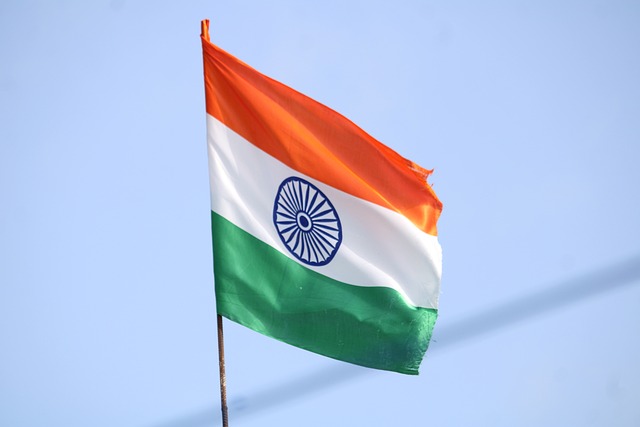
  • National Flag: Tricolor (Saffron, White, and Green with Ashoka Chakra)
  • National Emblem: Ashoka Pillar
  • National Anthem: Jana Gana Mana
  • National Song: Vande Mataram
  • National Animal: Tiger
  • National Bird: Peacock
  • National Flower: Lotus

Conclusion

This chapter helps students appreciate India's unity in diversity and understand the various aspects that make their country unique. It fosters a sense of pride and belonging among young citizens.

All Question Types with Solutions – CBSE Exam Pattern

Explore a complete set of CBSE-style questions with detailed solutions, categorized by marks and question types. Ideal for exam preparation, revision and practice.

Very Short Answer (1 Mark) – with Solutions (CBSE Pattern)

These are 1-mark questions requiring direct, concise answers. Ideal for quick recall and concept clarity.

Question 1:
Which river is considered the holiest in India?
Answer:

The Ganges (or Ganga) is considered the holiest river in India. It originates in the Himalayas and flows through several states.

Question 2:
What is the national animal of India?
Answer:

The national animal of India is the Bengal Tiger. It symbolizes strength, agility, and grace.

Question 3:
Name the mountain range located in the northern part of India.
Answer:

The Himalayas are the mountain range located in the northern part of India. They are the highest mountain range in the world.

Question 4:
Which festival is known as the 'Festival of Lights' in India?
Answer:

Diwali is known as the 'Festival of Lights' in India. It celebrates the victory of light over darkness and good over evil.

Question 5:
What is the name of the southernmost tip of India?
Answer:

The southernmost tip of India is Kanyakumari. It is where the Arabian Sea, the Bay of Bengal, and the Indian Ocean meet.

Question 6:
Which is the largest desert in India?
Answer:

The largest desert in India is the Thar Desert, also known as the Great Indian Desert. It is located in Rajasthan.

Question 7:
Name the national bird of India.
Answer:

The national bird of India is the Indian Peacock (or Peafowl). It is known for its vibrant colors and majestic tail feathers.

Question 8:
Which is the longest river in India?
Answer:

The Ganges is the longest river in India, flowing over 2,500 kilometers. It is also one of the most sacred rivers.

Question 9:
What is the name of India's highest mountain peak?
Answer:

India's highest mountain peak is Kangchenjunga, located in the Himalayas. It stands at 8,586 meters above sea level.

Question 10:
Which ocean lies to the south of India?
Answer:

The Indian Ocean lies to the south of India. It is the third-largest ocean in the world.

Very Short Answer (2 Marks) – with Solutions (CBSE Pattern)

These 2-mark questions test key concepts in a brief format. Answers are expected to be accurate and slightly descriptive.

Question 1:
Name the two major rivers that flow through the northern plains of India.
Answer:

The two major rivers are the Ganga and the Yamuna. These rivers are important for agriculture and provide water for millions of people.

Question 2:
What is the significance of the Himalayas in India?
Answer:

The Himalayas act as a natural barrier protecting India from cold winds.
They are also the source of many rivers and support diverse wildlife.

Question 3:
Which is the southernmost point of India?
Answer:

The southernmost point is Indira Point, located in the Andaman and Nicobar Islands. It was named after former Prime Minister Indira Gandhi.

Question 4:
Name the three main seasons in India.
Answer:
  • Summer (March to June)
  • Monsoon (June to September)
  • Winter (November to February)
Question 5:
What is the capital of India and why is it important?
Answer:

The capital is New Delhi. It is important because it is the center of government, where decisions for the country are made.

Question 6:
Which states in India are known for their rich cultural heritage?
Answer:

Rajasthan, Kerala, and Tamil Nadu are known for their rich cultural heritage. They have unique traditions, festivals, and historical monuments.

Question 7:
What are the main crops grown in India?
Answer:
  • Rice (mainly in West Bengal and Andhra Pradesh)
  • Wheat (Punjab and Haryana)
  • Sugarcane (Uttar Pradesh and Maharashtra)
Question 8:
Why is India called a peninsula?
Answer:

India is called a peninsula because it is surrounded by water on three sides: the Arabian Sea, the Bay of Bengal, and the Indian Ocean.

Question 9:
What is the capital of India?
Answer:

The capital of India is New Delhi. It is the political and administrative center of the country.

Question 10:
Name the largest state in India by area.
Answer:

The largest state in India by area is Rajasthan. It is known for its deserts and rich cultural heritage.

Question 11:
What is the importance of the Thar Desert?
Answer:

The Thar Desert is important for its unique ecosystem and tourism.
It also influences the climate of northern India.

Short Answer (3 Marks) – with Solutions (CBSE Pattern)

These 3-mark questions require brief explanations and help assess understanding and application of concepts.

Question 1:
Name the physical divisions of India and briefly describe any one.
Answer:

India has six major physical divisions: The Northern Mountains, The Northern Plains, The Peninsular Plateau, The Indian Desert, The Coastal Plains, and The Islands.

The Northern Plains are formed by the rivers Ganga, Brahmaputra, and their tributaries. These plains are very fertile and support agriculture, making them the food bowl of India. They are densely populated due to favorable living conditions.

Question 2:
What are the major rivers of India? Name one importance of rivers.
Answer:

The major rivers of India are the Ganga, Yamuna, Brahmaputra, Godavari, Krishna, and Kaveri.

Rivers are important because they provide freshwater for drinking, irrigation, and industries. They also support biodiversity and are considered sacred in Indian culture.

Question 3:
Explain the significance of the Himalayas in India.
Answer:

The Himalayas are significant because:

  • They act as a natural barrier, protecting India from cold winds from Central Asia.
  • They are the source of major rivers like the Ganga and Brahmaputra.
  • They influence India's climate by causing monsoon rains.
  • They are home to rich biodiversity and tourist spots.
Question 4:
Describe the location of India on the world map.
Answer:

India is located in the northern hemisphere of the world map. It lies between 8°4' N to 37°6' N latitude and 68°7' E to 97°25' E longitude.

India is bordered by the Himalayas in the north, the Arabian Sea in the west, the Bay of Bengal in the east, and the Indian Ocean in the south. It shares land boundaries with countries like Pakistan, China, and Bangladesh.

Question 5:
What are the major seasons in India? Explain one in detail.
Answer:

India has four major seasons: Winter (December-February), Summer (March-May), Monsoon (June-September), and Post-Monsoon (October-November).

The Monsoon season is crucial for India's agriculture. It brings heavy rainfall due to the southwest monsoon winds. Farmers depend on this rain for growing crops like rice and sugarcane. The monsoon also replenishes water resources like rivers and lakes.

Question 6:
List the neighboring countries of India and mention one cultural similarity with any one of them.
Answer:

India shares its borders with seven countries: Pakistan, China, Nepal, Bhutan, Bangladesh, Myanmar, and Sri Lanka (across the sea).

India and Nepal share cultural similarities like the celebration of festivals such as Diwali and Dashain. Both countries also revere the Himalayas and have strong ties in religion and traditions.

Question 7:
What is the significance of the Himalayas for India?
Answer:

The Himalayas are significant for India in multiple ways:

  • They act as a natural barrier, protecting India from cold winds from Central Asia.
  • They are the source of major rivers like the Ganga and Brahmaputra, which provide water for irrigation and drinking.
  • The mountains attract tourists and support adventure sports, boosting the economy.

Additionally, the Himalayas influence India's climate and biodiversity.

Long Answer (5 Marks) – with Solutions (CBSE Pattern)

These 5-mark questions are descriptive and require detailed, structured answers with proper explanation and examples.

Question 1:
Describe the geographical features of the Northern Plains of India and explain their importance in the country's development.
Answer:

The Northern Plains of India are one of the most fertile and densely populated regions in the country. They are formed by the alluvial deposits of three major river systems: the Indus, Ganga, and Brahmaputra. These plains stretch from the state of Punjab in the west to Assam in the east.

The importance of the Northern Plains includes:

  • Agriculture: The fertile soil supports the growth of crops like wheat, rice, and sugarcane, making India a leading agricultural producer.
  • Population: The availability of water and fertile land has led to high population density, contributing to economic and cultural growth.
  • Transportation: The flat terrain facilitates the construction of roads, railways, and waterways, boosting trade and connectivity.
  • Historical Significance: Many ancient civilizations, such as the Indus Valley Civilization, flourished here due to favorable living conditions.

Thus, the Northern Plains play a crucial role in India's economy, culture, and overall development.

Question 2:
Explain the significance of the Himalayas for India, covering its impact on climate, rivers, and defense.
Answer:

The Himalayas, the tallest mountain range in the world, are of immense importance to India. Their significance can be understood in the following ways:

  • Climate: The Himalayas act as a natural barrier, preventing cold winds from Central Asia from entering India, keeping the northern plains relatively warmer. They also trap monsoon winds, causing rainfall in the region.
  • Rivers: Major rivers like the Ganga, Yamuna, and Brahmaputra originate from the Himalayas, providing water for irrigation, drinking, and hydroelectric power.
  • Defense: The rugged terrain of the Himalayas serves as a natural defense against invasions, protecting India from potential threats.

Additionally, the Himalayas are home to diverse flora and fauna, making them an ecological treasure. Their snow-covered peaks also attract tourists, boosting the economy. Thus, the Himalayas are vital for India's environment, security, and prosperity.

Question 3:
Describe the geographical features of the Northern Plains of India and explain their importance in the country's agriculture.
Answer:

The Northern Plains of India are one of the most fertile regions in the country, formed by the deposition of alluvial soil brought by the rivers like the Ganga, Brahmaputra, and their tributaries. These plains stretch from the state of Punjab in the west to Assam in the east.

Key features:

  • Flat and fertile land suitable for farming.
  • Rich in alluvial soil, which is ideal for growing crops.
  • Well-irrigated by rivers and canals.
  • Densely populated due to favorable living conditions.

Importance in agriculture:

  • The plains are known as the 'Granary of India' because they produce a large portion of the country's food grains like wheat, rice, and sugarcane.
  • The availability of water and fertile soil supports multiple cropping seasons.
  • Major agricultural states like Punjab, Haryana, and Uttar Pradesh are located here, contributing significantly to India's economy.

Thus, the Northern Plains play a crucial role in India's food security and agricultural prosperity.

Question 4:
Explain the significance of the Himalayas for India, covering its role in climate, rivers, and defense.
Answer:

The Himalayas, the tallest mountain range in the world, are of great importance to India due to their impact on climate, rivers, and national security.

Role in climate:

  • The Himalayas act as a natural barrier, preventing cold winds from Central Asia from entering India, keeping the northern plains relatively warmer.
  • They also trap monsoon winds, causing heavy rainfall in northern and northeastern India.

Role in rivers:

  • Many major rivers like the Ganga, Yamuna, and Brahmaputra originate from the Himalayas, providing freshwater for irrigation, drinking, and hydropower.
  • These rivers deposit fertile soil in the plains, supporting agriculture.

Role in defense:

  • The Himalayas serve as a natural boundary, protecting India from potential invasions from the north.
  • Their rugged terrain makes it difficult for enemies to cross, ensuring national security.

In summary, the Himalayas are vital for India's climate, water resources, and safety, making them a priceless natural asset.

Question 5:
Describe the geographical features of India that make it a unique country. Include details about its physical divisions and their importance.
Answer:

India is a unique country with diverse geographical features that include mountains, plains, plateaus, deserts, and coastal areas. These features are divided into six main physical divisions:

  • The Himalayan Mountains: Located in the north, they are the highest mountain range in the world and act as a natural barrier, protecting India from cold winds.
  • The Northern Plains: Formed by rivers like the Ganga and Brahmaputra, these fertile plains are ideal for agriculture and support a large population.
  • The Peninsular Plateau: This region is rich in minerals and has hills like the Vindhyas and Satpuras.
  • The Indian Desert: The Thar Desert in Rajasthan has sandy soil and extreme temperatures.
  • The Coastal Plains: Located along the Arabian Sea and Bay of Bengal, these plains are important for trade and fishing.
  • The Islands: Andaman and Nicobar and Lakshadweep are groups of islands with unique biodiversity.

These divisions make India self-sufficient in resources and contribute to its cultural and economic diversity.

Question 6:
Explain the significance of the Indian National Flag. What do its colors and symbols represent, and how should it be respected?
Answer:

The Indian National Flag, also known as the Tiranga, is a symbol of pride and unity for all Indians. It has three horizontal stripes with a Chakra (wheel) in the center:

  • Saffron (Top): Represents courage and sacrifice.
  • White (Middle): Stands for peace and truth.
  • Green (Bottom): Symbolizes prosperity and faith.
  • Ashoka Chakra (Blue Wheel): Has 24 spokes, representing progress and justice.

The flag should always be treated with respect. It should never touch the ground, be used as decoration, or be flown upside down. On special days like Independence Day and Republic Day, people hoist the flag to show patriotism. Schools and government buildings follow strict rules while handling the flag to honor its importance.

Question 7:
Describe the geographical features of the Northern Plains of India and explain their importance in the country's economy.
Answer:

The Northern Plains of India are one of the most fertile and densely populated regions in the country. They are formed by the alluvial deposits of three major rivers: the Ganga, Brahmaputra, and Indus. These plains stretch from the state of Punjab in the west to Assam in the east.

Geographical Features:

  • The plains are flat and fertile, making them ideal for agriculture.
  • They have a network of rivers and tributaries, providing water for irrigation.
  • The soil is rich in minerals, especially silt deposited by rivers.

Importance in Economy:

  • The Northern Plains are known as the 'Granary of India' due to high agricultural productivity.
  • Crops like wheat, rice, sugarcane, and cotton are grown here, contributing significantly to the national food supply.
  • The plains also support industries like textiles and sugar mills due to the availability of raw materials.
  • Major cities like Delhi, Kolkata, and Lucknow are located here, making it a hub for trade and commerce.

Thus, the Northern Plains play a vital role in India's economy by supporting agriculture, industry, and urbanization.

Question 8:
Explain the significance of the Himalayas for India, covering its impact on climate, rivers, and natural resources.
Answer:

The Himalayas are the youngest and highest mountain range in the world, stretching across northern India. They are of great importance to the country in multiple ways.

Impact on Climate:

  • The Himalayas act as a natural barrier, preventing cold winds from Central Asia from entering India, keeping the northern plains relatively warmer.
  • They also trap monsoon winds, causing heavy rainfall in regions like Assam and West Bengal.

Role in River Systems:

  • Major rivers like the Ganga, Yamuna, and Brahmaputra originate from the Himalayas, providing freshwater for irrigation, drinking, and hydropower.
  • These rivers deposit fertile soil in the plains, supporting agriculture.

Natural Resources:

  • The Himalayas are rich in minerals like limestone, coal, and copper, which are used in industries.
  • Forests in the region provide timber, medicinal plants, and wildlife habitats.
  • Tourism and adventure sports like trekking and skiing boost the local economy.

In summary, the Himalayas are crucial for India's climate stability, water supply, and natural wealth, making them an invaluable geographical feature.

Case-based Questions (4 Marks) – with Solutions (CBSE Pattern)

These 4-mark case-based questions assess analytical skills through real-life scenarios. Answers must be based on the case study provided.

Question 1:
Rahul's family is planning a trip to visit different states of India. They want to experience the diversity of cultures, languages, and festivals. Based on this case, answer the following:

(a) Name any two states they can visit to experience different languages and festivals.
(b) How does this diversity make India unique?
Answer:

(a) Rahul's family can visit:

  • Kerala - Known for its Onam festival and Malayalam language.
  • Punjab - Famous for Baisakhi and Punjabi language.

(b) India's diversity in languages, festivals, and cultures makes it unique because it showcases unity in variety. People from different regions live together harmoniously, celebrating each other's traditions. This diversity also attracts tourists and promotes national integration.

Question 2:
Priya noticed that her textbook mentions India as a peninsula. Based on this observation, answer the following:

(a) What does the term peninsula mean?
(b) How does being a peninsula benefit India?
Answer:

(a) A peninsula is a landmass surrounded by water on three sides. India is bordered by the Arabian Sea (west), Bay of Bengal (east), and Indian Ocean (south).

(b) Being a peninsula benefits India in multiple ways:

  • It provides a long coastline for trade and fishing.
  • It helps in moderating the climate of coastal regions.
  • It attracts tourists to beautiful beaches and ports.
Question 3:
During a school project, Rohan learned that India has different types of landforms like mountains, plains, and plateaus. Based on this, answer:

(a) Name one major mountain range and one plateau in India.
(b) Why are plains important for agriculture?
Answer:

(a) Major landforms in India include:

  • Himalayas - The highest mountain range in the world.
  • Deccan Plateau - A large triangular plateau in southern India.

(b) Plains are important for agriculture because:

  • They have fertile soil due to rivers depositing silt.
  • They provide flat land for easy farming and irrigation.
  • They support the growth of crops like wheat, rice, and sugarcane.
Question 4:
Rahul is traveling from Kanyakumari to Kashmir with his family. He notices changes in climate, clothing, and food habits as they move north.

Based on this, answer:

  • Why does the climate change as we move from south to north in India?
  • How do these changes affect people's lifestyles?
Answer:

The climate changes from south to north in India due to the latitudinal variation and the Himalayan mountain range. Southern India is closer to the equator, making it warmer, while northern India experiences colder temperatures due to its distance from the equator and the influence of the Himalayas.

These changes affect lifestyles in the following ways:

  • Clothing: People in the south wear light cotton clothes, while those in the north wear woolens in winter.
  • Food habits: Southern cuisine includes rice and coconut-based dishes, whereas northern cuisine has more wheat-based foods like roti and dishes suited for colder weather.
  • Housing: Houses in the north often have sloping roofs to shed snow, while southern houses have flat roofs for ventilation.
Question 5:
Priya's class is discussing the diversity of languages in India. Her teacher asks:

How does the diversity of languages in India reflect its cultural richness? Give examples of how languages connect people to their heritage.

Answer:

India's linguistic diversity reflects its cultural richness because each language carries unique traditions, stories, and history. For example:

  • Tamil: Ancient literature like Thirukkural teaches moral values and connects people to Tamil heritage.
  • Hindi: Folk songs and festivals like Holi are celebrated with Hindi poetry and music.
  • Bengali: Rabindranath Tagore's works in Bengali are a source of pride and cultural identity.

Languages also preserve local art forms, like Bharatanatyam (Tamil) or Kathak (Hindi), linking people to their roots.

Question 6:
Aarav reads about the Thar Desert and wonders how people adapt to life there.

Describe the challenges of living in a desert and the ways people overcome them. Include examples of traditional practices and modern solutions.

Answer:

Living in the Thar Desert poses challenges like scarcity of water, extreme heat, and limited vegetation. People adapt through:

  • Traditional practices:
    - Building thick-walled houses with small windows to keep interiors cool.
    - Storing water in step wells (like Rani ki Vav) and using matkas (earthen pots) to keep water cool.
  • Modern solutions:
    - Using solar energy for electricity and water pumps.
    - Growing crops like millet that need less water, with drip irrigation techniques.

These adaptations show how people balance tradition and innovation to thrive in harsh conditions.

Question 7:
Rahul is traveling from Delhi to Chennai by train. He notices that the landscapes, languages, and clothing styles change as he moves south. Based on this observation, answer the following:

(a) What does this diversity tell us about India?
(b) Name two physical features that might cause such variations.
Answer:

(a) The diversity in landscapes, languages, and clothing styles shows that India is a vast and culturally rich country. Each region has its own unique traditions, geography, and way of life, which makes India special.

(b) Two physical features that cause such variations are:

  • Mountains like the Himalayas in the north create cold climates and influence local cultures.
  • Rivers like the Ganga and Godavari support different farming practices and lifestyles.

Question 8:
Priya's class is discussing the importance of national symbols. She learns that the Ashoka Chakra on the Indian flag represents progress and justice. Answer the following:

(a) Why are national symbols important for a country?
(b) Name one other national symbol of India and explain its significance.
Answer:

(a) National symbols are important because they represent a country's identity, unity, and values. They remind citizens of their shared heritage and inspire pride.

(b) Another national symbol is the Lotus (National Flower). It signifies purity and spiritual growth, as it blooms beautifully even in muddy water, symbolizing India's resilience.

Question 9:
Aarav reads about India's location on the world map and learns it lies entirely in the Northern Hemisphere. Answer the following:

(a) How does India's location influence its climate?
(b) Name two neighboring countries of India and describe one cultural similarity with each.
Answer:

(a) India's location in the Northern Hemisphere gives it a tropical monsoon climate, with distinct seasons like summer, winter, and rains. The Himalayas also block cold winds, keeping winters mild.

(b) Two neighboring countries and cultural similarities:

  • Nepal: Both countries celebrate festivals like Diwali and share Hindu traditions.
  • Bangladesh: Similar languages (Bengali) and love for rice-based dishes unite the cultures.

Question 10:
Rahul is visiting the Thar Desert with his family. He notices that the houses there have thick walls and small windows. Based on this observation, answer the following:
(a) Why do houses in the Thar Desert have thick walls?
(b) How do small windows help the people living there?
Answer:

(a) Houses in the Thar Desert have thick walls because they help keep the interior cool during the hot days and warm during the cold nights. The thick walls act as insulation, reducing the heat transfer from outside.

(b) Small windows prevent excessive hot air from entering the house and also reduce the amount of sunlight coming in, keeping the indoors cooler. They also help in minimizing dust storms from entering the house, which are common in desert regions.

Question 11:
Priya is learning about the Northern Plains of India. Her teacher mentions that this region is highly fertile and supports agriculture. Answer the following:
(a) Name the rivers that make the Northern Plains fertile.
(b) Why is this region called the 'Food Bowl of India'?
Answer:

(a) The Northern Plains are made fertile by rivers like the Ganga, Yamuna, Brahmaputra, and their tributaries. These rivers deposit alluvial soil, which is rich in nutrients.

(b) This region is called the 'Food Bowl of India' because it produces a large amount of food crops like wheat, rice, and sugarcane due to its fertile soil, favorable climate, and availability of water for irrigation. It supports a major portion of India's agricultural output.

Question 12:
During a school trip to the Western Ghats, students observe dense forests and a variety of wildlife. Answer the following based on their observations:
(a) Why are the Western Ghats important for biodiversity?
(b) Name one endangered animal found in this region and explain why it needs protection.
Answer:

(a) The Western Ghats are important for biodiversity because they are home to numerous plant and animal species, many of which are not found anywhere else in the world. The region's varied climate and terrain create ideal habitats for diverse life forms.

(b) The Lion-tailed Macaque is an endangered animal found here. It needs protection because its habitat is shrinking due to deforestation and human activities. Without conservation efforts, this unique species could become extinct.

Chat on WhatsApp