
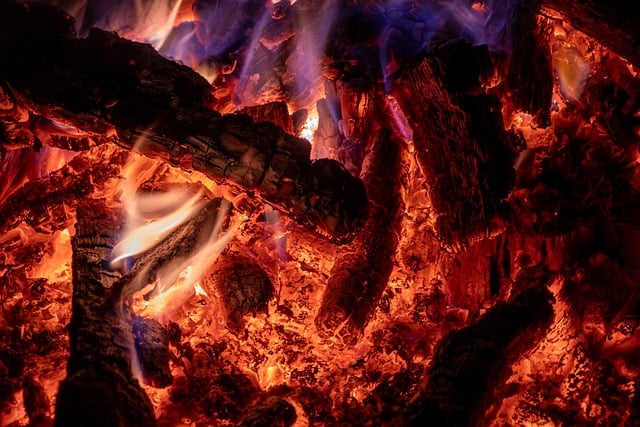
Overview of the Chapter: Combustion and Flame
This chapter explores the process of combustion, the types of flames produced during combustion, and the importance of fire safety. Students will learn about the conditions necessary for combustion, different types of combustion, and the structure of a flame. The chapter also discusses fuels, their efficiency, and environmental impacts.
Combustion: A chemical process in which a substance reacts with oxygen to give off heat and light.
Conditions Necessary for Combustion
For combustion to occur, three essential conditions must be met:
- Presence of a combustible substance (fuel)
- Presence of a supporter of combustion (usually oxygen)
- Heating the fuel to its ignition temperature
Types of Combustion
Combustion can be classified into different types based on the rate and nature of the process:
- Rapid Combustion: Burns quickly with the release of heat and light (e.g., burning of LPG).
- Spontaneous Combustion: Occurs without an external heat source (e.g., burning of white phosphorus).
- Explosion: A sudden reaction with the release of heat, light, and sound (e.g., fireworks).
Flame and Its Structure
A flame is the visible, gaseous part of a fire. It has distinct zones:
- Innermost Zone (Dark): Unburnt vapors of the fuel.
- Middle Zone (Yellow): Partial combustion with luminous flame.
- Outermost Zone (Blue): Complete combustion with the highest temperature.
Ignition Temperature: The lowest temperature at which a substance catches fire.
Fuels and Their Efficiency
Fuels are substances that produce heat energy on combustion. The efficiency of a fuel is measured by its calorific value (heat produced per unit mass). Fuels can be:
- Solid Fuels: Wood, coal
- Liquid Fuels: Petrol, diesel
- Gaseous Fuels: CNG, LPG
Environmental Impact of Burning Fuels
Burning fuels releases harmful products like carbon dioxide (global warming), carbon monoxide (toxic), and sulfur dioxide (acid rain). Using cleaner fuels and improving combustion efficiency can reduce pollution.
Fire Safety and Control
Fire can be controlled by removing one or more conditions required for combustion. Methods include:
- Using water or fire extinguishers
- Cutting off the supply of air (oxygen)
- Cooling the fuel below ignition temperature