Sources of Energy – CBSE NCERT Study Resources

Previous Chapter Next Chapter
Sources of Energy

Study Materials

10th

10th - Science

Sources of Energy

Jump to Question Sets

Overview of the Chapter: Sources of Energy

This chapter explores the various sources of energy, their classification, advantages, and disadvantages. It emphasizes the need for sustainable and renewable energy sources to meet the growing energy demands while minimizing environmental impact.

Energy: The capacity to do work. It can be derived from various sources, both renewable and non-renewable.

1. Conventional Sources of Energy

Conventional sources of energy are those that have been used traditionally for a long time. They include fossil fuels like coal, petroleum, and natural gas, as well as thermal and hydroelectric power plants.

Fossil Fuels: Formed from the remains of ancient plants and animals over millions of years. Examples include coal, petroleum, and natural gas.

1.1 Thermal Power Plants

Thermal power plants generate electricity by burning fossil fuels to produce steam, which drives turbines connected to generators.

1.2 Hydroelectric Power Plants

Hydroelectric power plants generate electricity by utilizing the kinetic energy of flowing or falling water to turn turbines.

2. Non-Conventional (Renewable) Sources of Energy

Renewable energy sources are those that can be replenished naturally and are considered environmentally friendly. Examples include solar energy, wind energy, biomass, and tidal energy.

Solar Energy: Energy harnessed from the sun using solar panels or solar cells, which convert sunlight into electricity.

2.1 Wind Energy

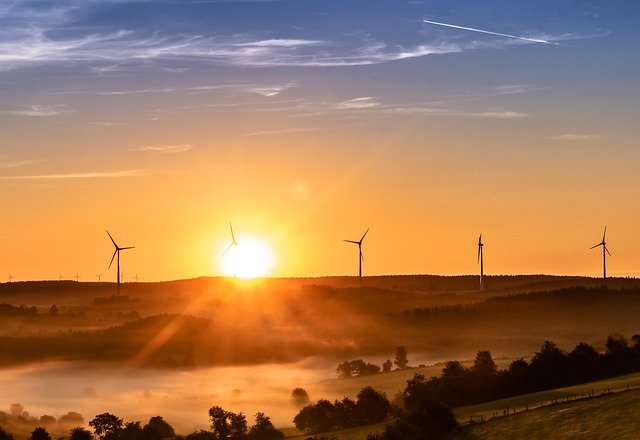
Wind energy is generated by using wind turbines to convert the kinetic energy of wind into mechanical or electrical energy.

2.2 Biomass Energy

Biomass energy is derived from organic materials like plant and animal waste, which can be burned or converted into biogas.

2.3 Tidal and Wave Energy

Tidal energy is harnessed from the rise and fall of ocean tides, while wave energy is derived from the movement of ocean waves.

3. Environmental Consequences of Energy Sources

Different energy sources have varying environmental impacts. Fossil fuels contribute to air pollution and global warming, while renewable sources like solar and wind energy have minimal environmental effects.

4. Need for Energy Conservation

Energy conservation involves using energy efficiently to reduce wastage and dependence on non-renewable sources. Simple measures like using energy-efficient appliances and reducing unnecessary consumption can help conserve energy.

Energy Conservation: The practice of reducing energy consumption through efficient usage and minimizing waste.

5. Future Energy Sources

Research is ongoing to develop new and sustainable energy sources, such as nuclear fusion, hydrogen fuel, and advanced solar technologies, to meet future energy demands sustainably.

All Question Types with Solutions – CBSE Exam Pattern

Explore a complete set of CBSE-style questions with detailed solutions, categorized by marks and question types. Ideal for exam preparation, revision and practice.

Very Short Answer (1 Mark) – with Solutions (CBSE Pattern)

These are 1-mark questions requiring direct, concise answers. Ideal for quick recall and concept clarity.

Question 1:
What is the main source of energy for the Earth?
Answer:

The Sun is the main source.

Question 2:
Name one renewable energy source.
Answer:

Solar energy is renewable.

Question 3:
Which gas is produced during biogas formation?
Answer:

Methane is produced.

Question 4:
What is the primary component of LPG?
Answer:

Butane or Propane.

Question 5:
Which device converts solar energy into electricity?
Answer:

A solar cell converts it.

Question 6:
Name one fossil fuel.
Answer:

Coal is a fossil fuel.

Question 7:
What is the main use of wind energy?
Answer:

Generating electricity via turbines.

Question 8:
Which energy source is harnessed from tides?
Answer:

Tidal energy is harnessed.

Question 9:
What is the byproduct of nuclear fission?
Answer:

Radioactive waste is produced.

Question 10:
Name one non-renewable energy source.
Answer:

Petroleum is non-renewable.

Question 11:
Which energy source is derived from organic matter?
Answer:

Biomass energy is derived.

Question 12:
What is the main disadvantage of thermal power plants?
Answer:

They cause air pollution.

Question 13:
Which metal is used in solar panels?
Answer:

Silicon is commonly used.

Question 14:
What is the primary use of hydropower?
Answer:

Generating electricity from dams.

Question 15:
Name the renewable source of energy that is harnessed from the sun.
Answer:

The solar energy is a renewable source harnessed from the sun using solar panels or solar cells.

Question 16:
What is the main component of biogas?
Answer:

The main component of biogas is methane (CH4), which makes it a clean and efficient fuel.

Question 17:
Why is hydropower considered a reliable source of energy?
Answer:

Hydropower is reliable because it depends on the water cycle, which is continuous and predictable, ensuring a steady supply of energy.

Question 18:
State one advantage of using wind energy.
Answer:

One advantage of wind energy is that it is pollution-free and does not produce greenhouse gases during electricity generation.

Question 19:
What is the primary disadvantage of fossil fuels?
Answer:

The primary disadvantage of fossil fuels is that they are non-renewable and their combustion releases harmful pollutants like CO2, contributing to global warming.

Question 20:
Name the device used to convert solar energy into electricity.
Answer:

A solar cell or photovoltaic cell is used to convert solar energy directly into electricity.

Question 21:
What is the purpose of a solar cooker?
Answer:

A solar cooker is used to harness solar energy for cooking food, reducing the dependence on conventional fuels like wood or LPG.

Question 22:
Why is nuclear energy considered a non-renewable source?
Answer:

Nuclear energy relies on uranium and other radioactive materials, which are finite and deplete over time, making it a non-renewable source.

Question 23:
Give one example of a tidal energy plant in India.
Answer:

The Gulf of Kutch Tidal Power Plant in Gujarat is an example of a tidal energy plant in India.

Question 24:
What is the role of a geothermal plant?
Answer:

A geothermal plant generates electricity by utilizing heat from the Earth's interior, providing a sustainable and eco-friendly energy source.

Question 25:
How does biomass contribute to energy production?
Answer:

Biomass is burned or converted into biogas to produce heat or electricity, utilizing organic waste materials like agricultural residues.

Question 26:
Name one non-renewable energy source used in thermal power plants.
Answer:

Coal is a non-renewable energy source commonly used in thermal power plants to generate electricity.

Very Short Answer (2 Marks) – with Solutions (CBSE Pattern)

These 2-mark questions test key concepts in a brief format. Answers are expected to be accurate and slightly descriptive.

Question 1:
Name two renewable sources of energy.
Answer:

The two renewable sources of energy are:
Solar energy (from the sun)
Wind energy (from wind turbines)

Question 2:
What is the main advantage of using biogas over traditional fuels?
Answer:

The main advantage of biogas is that it is eco-friendly and renewable. It reduces pollution as it burns cleanly and is produced from organic waste, unlike traditional fuels like coal or wood.

Question 3:
State one limitation of using solar energy.
Answer:

A limitation of solar energy is its dependence on sunlight. It is not available at night or during cloudy weather, requiring storage systems for continuous supply.

Question 4:
How does a windmill generate electricity?
Answer:

A windmill converts kinetic energy from wind into mechanical energy using rotating blades.
The mechanical energy is then converted to electrical energy by a generator.

Question 5:
What is the primary component of biogas?
Answer:

The primary component of biogas is methane (CH4), which makes up about 50-75% of its composition.

Question 6:
Why are fossil fuels classified as non-renewable?
Answer:

Fossil fuels are non-renewable because they take millions of years to form from decomposed organic matter. Once depleted, they cannot be replenished in a short time.

Question 7:
Name one greenhouse gas released by burning fossil fuels.
Answer:

One greenhouse gas released by burning fossil fuels is carbon dioxide (CO2), which contributes to global warming.

Question 8:
What is the role of a solar cell in energy conversion?
Answer:

A solar cell converts sunlight directly into electrical energy through the photovoltaic effect, making it useful for powering devices.

Question 9:
How does geothermal energy work?
Answer:

Geothermal energy harnesses heat from the Earth's interior.
Hot water or steam from underground is used to drive turbines, generating electricity.

Question 10:
Why is tidal energy not widely used compared to other renewables?
Answer:

Tidal energy is limited because it requires specific coastal locations with high tidal ranges.
It also involves high initial costs and potential environmental impacts on marine life.

Short Answer (3 Marks) – with Solutions (CBSE Pattern)

These 3-mark questions require brief explanations and help assess understanding and application of concepts.

Question 1:
Explain why solar energy is considered a renewable source of energy.
Answer:

Solar energy is considered a renewable source of energy because it is derived from the sun, which is an inexhaustible natural resource.
The sun continuously emits energy in the form of sunlight, which can be harnessed using solar panels or other technologies.
Unlike fossil fuels, solar energy does not deplete over time and does not produce harmful emissions, making it sustainable and environmentally friendly.

Question 2:
Describe the working principle of a biogas plant.
Answer:

A biogas plant works by converting organic waste (like animal dung or plant residues) into biogas through anaerobic digestion.
The process involves the following steps:
1. Organic waste is mixed with water and fed into a digester.
2. In the absence of oxygen, bacteria break down the waste, producing methane (CH₄) and carbon dioxide (CO₂).
3. The biogas is collected in a gas holder and can be used for cooking, heating, or generating electricity.
4. The leftover slurry is rich in nutrients and can be used as fertilizer.

Question 3:
Compare fossil fuels and wind energy based on their environmental impact.
Answer:

Fossil fuels and wind energy differ significantly in their environmental impact:

  • Fossil fuels release greenhouse gases (like CO₂) when burned, contributing to air pollution and climate change. They also cause acid rain due to sulfur dioxide emissions.
  • Wind energy is clean and does not emit pollutants. However, wind turbines can affect bird populations and require large land areas.
Wind energy is more sustainable and eco-friendly compared to fossil fuels.

Question 4:
Explain the role of a geothermal power plant in harnessing energy.
Answer:

A geothermal power plant harnesses heat from the Earth's interior to generate electricity.
The process involves:
1. Drilling wells into geothermal reservoirs to access hot water or steam.
2. The steam is directed to a turbine, which spins and drives a generator to produce electricity.
3. The cooled water is reinjected into the Earth to maintain sustainability.
Geothermal energy is clean, renewable, and available 24/7, making it a valuable energy source.

Question 5:
What are the advantages of using tidal energy as a source of electricity?
Answer:

The advantages of tidal energy include:

  • It is renewable and relies on the predictable movement of tides.
  • It produces no greenhouse gas emissions, making it environmentally friendly.
  • Tidal power plants have a long lifespan and low operational costs once installed.
  • It provides a consistent energy supply, unlike solar or wind energy, which depend on weather conditions.

Question 6:
What are the advantages of using hydropower as a source of energy?
Answer:

The advantages of using hydropower include:

  • It is a clean and renewable energy source, as it relies on the water cycle.
  • It produces no direct waste or greenhouse gases.
  • Hydropower plants have a long lifespan and low operating costs.
  • They provide flood control and irrigation benefits.
  • Hydropower can be generated continuously, unlike solar or wind energy, which depend on weather conditions.

Question 7:
Differentiate between conventional and non-conventional sources of energy with examples.
Answer:

Conventional sources of energy are those that have been used for a long time and are often non-renewable. Examples include coal, petroleum, and natural gas.

Non-conventional sources of energy are newer, renewable, and more sustainable. Examples include solar energy, wind energy, and biogas.

Conventional sources are limited and cause pollution, while non-conventional sources are abundant and environmentally friendly.

Question 8:
Explain how geothermal energy is harnessed for electricity generation.
Answer:

Geothermal energy is harnessed by tapping into the Earth's internal heat.

1. Wells are drilled into geothermal reservoirs to access hot water and steam.
2. The steam is directed towards a turbine, which spins and drives a generator to produce electricity.
3. After passing through the turbine, the steam is condensed back into water and reinjected into the reservoir to maintain sustainability.

This method is highly efficient and produces minimal emissions.

Question 9:
Why is nuclear energy considered a non-renewable source of energy despite its high efficiency?
Answer:

Nuclear energy is considered non-renewable because it relies on uranium and plutonium, which are finite resources. Although nuclear power plants produce large amounts of energy with minimal fuel, the extraction and processing of these radioactive materials are limited and environmentally damaging. Additionally, nuclear waste disposal poses significant challenges, making it unsustainable in the long term despite its high energy output.

Long Answer (5 Marks) – with Solutions (CBSE Pattern)

These 5-mark questions are descriptive and require detailed, structured answers with proper explanation and examples.

Question 1:
Explain the working of a solar cooker and its advantages over conventional fuels.
Answer:
Concept Overview

A solar cooker uses sunlight to cook food by converting solar energy into heat energy. Our textbook shows it has a reflective surface to focus sunlight.

Process Explanation
  • Sunlight reflects off the mirror onto the cooking pot.
  • The black-coated pot absorbs heat, and the glass lid traps it.
Real-world Application

In rural India, solar cookers reduce reliance on wood, preventing deforestation. NCERT mentions it as a clean alternative to LPG.

[Diagram: Solar cooker with labeled parts]
Question 2:
Describe biogas production and its benefits for sustainable energy.
Answer:
Concept Overview

Biogas is produced from organic waste like animal dung via anaerobic digestion. We studied it as a renewable energy source.

Process Explanation
  • Waste is fed into a digester where bacteria break it down.
  • This releases methane, stored for cooking or electricity.
Real-world Application

NCERT highlights Gobar Gas plants in villages, reducing pollution. It’s cheaper than kerosene and improves sanitation.

[Diagram: Biogas plant with input/output flow]
Question 3:
How does hydroelectric power work? Discuss its environmental impact.
Answer:
Concept Overview

Hydropower converts kinetic energy of flowing water into electricity. Our textbook explains dams store water at height.

Process Explanation
  • Water falls from dams, rotating turbines.
  • Turbines generate electricity via generators.
Real-world Application

NCERT cites Bhakra Nangal Dam. While clean, dams displace communities and harm ecosystems.

[Diagram: Hydropower plant with turbine and generator]
Question 4:
Compare fossil fuels and wind energy in terms of sustainability and efficiency.
Answer:
Concept Overview

Fossil fuels (coal, oil) are non-renewable, while wind energy harnesses air currents. We studied both in energy chapters.

Process Explanation
  • Fossil fuels burn to release energy but pollute.
  • Wind turbines convert kinetic energy without emissions.
Real-world Application

NCERT mentions Tamil Nadu’s wind farms. Wind is sustainable but needs large land areas.

[Diagram: Wind turbine vs. coal power plant]
Question 5:
Explain tidal energy generation and its feasibility in India.
Answer:
Concept Overview

Tidal energy uses ocean tides to generate electricity. Our textbook notes it’s predictable but location-specific.

Process Explanation
  • Tides rotate turbines in barrages or underwater.
  • Generators convert mechanical energy to electrical.
Real-world Application

NCERT cites Gujarat’s Gulf of Khambhat potential. High setup costs limit widespread use.

[Diagram: Tidal barrage with turbine system]
Question 6:
Explain tidal energy generation. Why is its use limited in India?
Answer:
Concept Overview

Tidal energy uses ocean tides to spin turbines via tidal barrages.

Process Explanation

NCERT explains France’s Rance Plant, but India lacks ideal tidal ranges.

Real-world Application

Gulf of Khambhat has potential but high setup costs. [Diagram: Tidal barrage]

Question 7:
What are solar cookers? Describe their design and one benefit.
Answer:
Concept Overview

Solar cookers use reflectors to focus sunlight for cooking.

Process Explanation

NCERT shows a box-type cooker with glass lid traps heat.

Real-world Application

Rural areas save firewood; no smoke produced. [Diagram: Solar cooker structure]

Question 8:
Why is hydrogen considered a future fuel? Mention one challenge.
Answer:
Concept Overview

Hydrogen burns cleanly, releasing only water vapor.

Process Explanation

NCERT states it can power vehicles via fuel cells.

Real-world Application

Challenge: High cost of extraction. [Diagram: Hydrogen fuel cell]

Question 9:
Differentiate fossil fuels and biofuels with examples. Which reduces carbon footprint?
Answer:
Concept Overview

Fossil fuels (coal) form over millennia; biofuels (ethanol) are plant-based.

Process Explanation

Biofuels recycle CO2 via crops, unlike fossil fuels’ net emissions.

Real-world Application

Brazil uses sugarcane ethanol to cut pollution. [Diagram: Biofuel cycle]

Question 10:
How does nuclear energy work? Discuss one risk and one advantage.
Answer:
Concept Overview

Nuclear fission splits uranium atoms, releasing heat for steam turbines.

Process Explanation

NCERT cites Kudankulam Plant supplying 2,000 MW.

Real-world Application

Risk: Radioactive waste. Advantage: Low greenhouse gases. [Diagram: Nuclear reactor]

Question 11:
Explain renewable and non-renewable energy sources with examples. Why is solar energy considered a better alternative?
Answer:
Concept Overview

Renewable sources like solar and wind are replenished naturally, while non-renewable sources like coal and petroleum deplete over time.

Process Explanation

Our textbook shows solar panels convert sunlight into electricity without pollution, unlike burning fossil fuels.

Real-world Application

In Rajasthan, solar plants generate clean energy, reducing dependence on coal. [Diagram: Solar panel setup]

Question 12:
Describe the working of a biogas plant. How does it help rural communities?
Answer:
Concept Overview

Biogas is produced from organic waste via anaerobic digestion, releasing methane.

Process Explanation

Our NCERT example shows cattle dung decomposes in a digester, producing gas for cooking.

Real-world Application

Villages use biogas to replace firewood, improving air quality. [Diagram: Biogas plant layers]

Question 13:
Compare thermal and hydropower plants. Which is more sustainable and why?
Answer:
Concept Overview

Thermal plants burn coal, while hydropower uses flowing water to generate electricity.

Process Explanation

NCERT highlights dams like Bhakra Nangal produce energy without emissions, unlike thermal plants.

Real-world Application

Himachal Pradesh relies on hydropower, avoiding coal pollution. [Diagram: Dam turbine system]

Question 14:
What is geothermal energy? Explain its extraction with a suitable example.
Answer:
Concept Overview

Geothermal energy harnesses heat from Earth’s interior via hot springs or magma.

Process Explanation

NCERT mentions Iceland’s volcanic activity heats water, which drives turbines.

Real-world Application

In India, Puga Valley (Ladakh) explores geothermal for electricity. [Diagram: Geothermal well]

Question 15:
How does a windmill convert kinetic energy to electricity? List two advantages.
Answer:
Concept Overview

Wind turbines use blades to capture wind energy, rotating a generator.

Process Explanation

Our textbook shows Tamil Nadu’s wind farms supply 10% of state power.

Real-world Application

Advantages: No fuel cost, reduces CO2 emissions. [Diagram: Wind turbine components]

Question 16:
Explain the working of a solar cooker with the help of a labeled diagram. Discuss its advantages and limitations as a source of energy.
Answer:

A solar cooker is a device that uses sunlight to cook food. It works on the principle of converting solar energy into heat energy.

Working:
1. The cooker consists of an insulated box with a glass cover to trap heat.
2. The inner surfaces are painted black to absorb maximum sunlight.
3. A reflector (mirror) is used to focus sunlight into the box.
4. The trapped heat raises the temperature inside, cooking the food.

Diagram: (Draw a labeled diagram showing the box, glass cover, black interior, reflector, and food container.)

Advantages:

  • Eco-friendly as it uses renewable energy.
  • No fuel cost.
  • Retains nutrients in food due to slow cooking.

Limitations:

  • Dependent on sunlight; cannot be used on cloudy days.
  • Slow cooking process.
  • Not suitable for all types of cooking.

Question 17:
Compare and contrast fossil fuels and biomass as sources of energy. Highlight their environmental impacts and sustainability.
Answer:

Fossil fuels and biomass are both used as energy sources, but they differ in their origin, usage, and environmental effects.

Comparison:

  • Origin: Fossil fuels like coal and petroleum are formed from ancient organic matter over millions of years, while biomass is derived from recent organic materials like plants and animal waste.
  • Availability: Fossil fuels are non-renewable and limited, whereas biomass is renewable as it can be replenished quickly.
  • Energy Output: Fossil fuels provide higher energy output per unit compared to biomass.

Environmental Impacts:

  • Fossil Fuels: Burning them releases greenhouse gases (CO2) and pollutants, contributing to global warming and air pollution. Mining also causes habitat destruction.
  • Biomass: While burning biomass releases CO2, it is considered carbon-neutral because the plants absorb CO2 during growth. However, improper use can lead to deforestation and soil degradation.

Sustainability:

  • Fossil fuels are unsustainable due to their finite nature and high environmental costs.
  • Biomass is more sustainable if managed properly, as it relies on continuous organic waste and crop residues.

Question 18:
Explain the working of a solar cooker with a neat diagram. Discuss its advantages and limitations as a source of energy.
Answer:

A solar cooker is a device that uses sunlight to cook food without requiring conventional fuels like wood or LPG. It works on the principle of converting solar energy into heat energy.


Working:
1. The cooker consists of an insulated box painted black from inside to absorb maximum sunlight.
2. A glass sheet covers the box to trap heat via the greenhouse effect.
3. A reflector (mirror) is used to concentrate sunlight into the box.
4. The trapped heat raises the temperature inside, cooking the food slowly.


Advantages:
- Eco-friendly: No pollution or greenhouse gas emissions.
- Cost-effective: Uses free and abundant sunlight.
- Safe: No risk of burns or fires compared to traditional stoves.


Limitations:
- Weather-dependent: Cannot be used on cloudy days or at night.
- Slow cooking: Takes longer than conventional methods.
- Limited temperature: Cannot achieve very high temperatures for certain dishes.


Here’s a simple diagram of a solar cooker:


[Diagram: A rectangular box with a glass lid, black interior, and a reflector attached at an angle.]

Question 19:
Compare and contrast biogas and natural gas as sources of energy. Highlight their environmental impacts and suitability for rural areas.
Answer:

Biogas and natural gas are both used as fuels, but they differ in origin, composition, and applications.

Comparison:

  • Source: Biogas is produced from organic waste (e.g., animal dung, crop residue), while natural gas is extracted from fossil fuel reserves underground.
  • Composition: Biogas contains methane, carbon dioxide, and traces of other gases, whereas natural gas is primarily methane.
  • Production: Biogas is renewable and can be produced locally; natural gas is non-renewable and requires extensive infrastructure.

Environmental Impact:

  • Biogas reduces greenhouse gas emissions by recycling waste and is carbon-neutral.
  • Natural gas burns cleaner than coal but still contributes to global warming due to methane leaks during extraction.

Suitability for Rural Areas:

  • Biogas is ideal for rural areas as it utilizes locally available waste and provides fertilizer as a byproduct.
  • Natural gas is less suitable due to the lack of pipelines and high distribution costs.

Question 20:
Compare and contrast biogas and natural gas as sources of energy. Highlight their environmental impacts and suitability for rural and urban areas.
Answer:

Biogas and natural gas are both used as fuels, but they differ in origin, composition, and applications.


Comparison:

  • Source: Biogas is produced from organic waste (e.g., animal dung, crop residues) via anaerobic decomposition, while natural gas is a fossil fuel extracted from underground reserves.
  • Composition: Biogas contains methane (50-70%), CO₂, and traces of other gases, whereas natural gas is primarily methane (90%) with minimal impurities.
  • Calorific value: Natural gas has a higher energy output per unit volume compared to biogas.


Environmental Impact:
- Biogas: Carbon-neutral as it recycles organic waste and reduces methane emissions from landfills. It also produces organic manure as a byproduct.
- Natural gas: Burns cleaner than coal but still emits CO₂, contributing to global warming. Extraction can cause land degradation and methane leaks.


Suitability:
- Rural areas: Biogas is ideal due to availability of organic waste and low infrastructure needs.
- Urban areas: Natural gas is preferred for its high efficiency and pipeline distribution networks.

Case-based Questions (4 Marks) – with Solutions (CBSE Pattern)

These 4-mark case-based questions assess analytical skills through real-life scenarios. Answers must be based on the case study provided.

Question 1:
A village lacks electricity but has abundant sunlight and agricultural waste. Biogas and solar energy are proposed. Compare their suitability using NCERT examples.
Answer:
Case Summary

The village needs reliable energy from local resources.

Scientific Principle
  • Biogas: Decomposition of organic waste (like cow dung) produces methane (NCERT example: Gobar gas plants).
  • Solar energy: Photovoltaic cells convert sunlight to electricity (NCERT example: Solar cookers).
Solution Approach

Biogas is better for cooking/heating, while solar is cleaner for electricity. Both can coexist for full energy needs.

Question 2:
A factory emits smoke, and the owner suggests switching to CNG or hydropower. Justify the better option with NCERT references.
Answer:
Case Summary

Factory seeks cleaner energy to reduce pollution.

Scientific Principle
  • CNG: Burns cleaner than coal but still emits CO₂ (NCERT example: Delhi’s public transport).
  • Hydropower: Renewable with no emissions (NCERT example: Bhakra Nangal Dam).
Solution Approach

Hydropower is ideal as it’s renewable and pollution-free, though location-dependent. CNG is a short-term fix.

Question 3:
A coastal town considers tidal energy or wind energy. Analyze feasibility using NCERT concepts.
Answer:
Case Summary

Coastal location offers two renewable options.

Scientific Principle
  • Tidal energy: Uses ocean tides (NCERT example: Gulf of Khambhat potential).
  • Wind energy: Needs consistent wind (NCERT example: Tamil Nadu wind farms).
Solution Approach

Wind energy is easier to implement now, while tidal is futuristic. Both suit coastal areas but wind is more established.

Question 4:
A farmer burns crop residue, causing pollution. Suggest biomass energy alternatives with NCERT examples.
Answer:
Case Summary

Burning residue harms air quality; biomass can help.

Scientific Principle
  • Biomass: Crop waste can fuel biogas plants (NCERT example: Rural biogas units).
  • Also used in briquettes for heating (real-world: Punjab’s initiatives).
Solution Approach

Convert residue to biogas or compost. This reduces pollution and provides energy, as shown in NCERT.

Question 5:
A village uses biogas from cow dung for cooking. Explain how this process works and compare its advantages over fossil fuels.
Answer:
Case Summary

A village uses biogas, a renewable energy source, for cooking.

Scientific Principle
  • Biogas is produced by anaerobic decomposition of organic waste like cow dung.
  • It contains methane, which burns cleanly.
Solution Approach

Our textbook shows biogas plants use a digester. Compared to fossil fuels, biogas reduces pollution and is sustainable.

Question 6:
A school installs solar panels. Describe the working principle and suggest one way to store excess energy for nighttime use.
Answer:
Case Summary

Solar panels are installed to harness sunlight.

Scientific Principle
  • Solar cells convert sunlight into electricity via the photovoltaic effect.
Solution Approach

We studied that excess energy can be stored in batteries, like in NCERT's example of solar-powered calculators.

Question 7:
A factory uses hydropower from a dam. Explain the energy conversion process and why it’s better than thermal power plants.
Answer:
Case Summary

A dam generates electricity using flowing water.

Scientific Principle
  • Potential energy of water converts to kinetic energy, spinning turbines.
Solution Approach

Our textbook shows hydropower is renewable and emits no pollutants, unlike thermal plants burning coal.

Question 8:
A farmer uses a windmill to pump water. Describe how wind energy is harnessed and list one limitation of this method.
Answer:
Case Summary

Wind energy is used for water pumping.

Scientific Principle
  • Wind turns the blades, rotating a generator to produce electricity.
Solution Approach

NCERT mentions windmills need consistent wind speed. A limitation is their dependence on weather conditions.

Question 9:
A village lacks electricity but has abundant sunlight and crop waste. Biogas and solar energy are proposed. Compare these two renewable sources for the village's needs.
Answer:
Case Summary
A village needs energy solutions using sunlight and crop waste.
Scientific Principle
Solar energy is clean but requires sunlight, while biogas uses organic waste for fuel.
Solution Approach
  • Solar panels can power homes but need storage (like batteries).
  • Biogas plants use crop waste to produce methane, usable for cooking and lighting (NCERT example: Gobar Gas).

Biogas is better as it also manages waste.

Question 10:
A factory emits smoke, and the owner considers switching to CNG or hydropower. Analyze these options for sustainability and pollution reduction.
Answer:
Case Summary
A factory must choose between CNG and hydropower to reduce pollution.
Scientific Principle
CNG burns cleaner than coal, while hydropower is renewable but needs water flow.
Solution Approach
  • CNG reduces smoke (like Delhi’s public transport switch, NCERT example).
  • Hydropower is sustainable but requires dams (Bhakra Nangal project).

CNG is easier to adopt immediately.

Question 11:
A coastal town explores tidal energy and wind energy. Explain how each works and which is more reliable for consistent power supply.
Answer:
Case Summary
A coastal town evaluates tidal and wind energy.
Scientific Principle
Tidal energy uses ocean tides, while wind energy relies on wind turbines.
Solution Approach
  • Tidal energy is predictable (high/low tides twice daily, NCERT example).
  • Wind energy depends on wind speed (like Tamil Nadu’s wind farms).

Tidal energy is more reliable due to predictability.

Question 12:
A school debates installing solar panels or a geothermal plant. Compare their feasibility in terms of cost, location, and environmental impact.
Answer:
Case Summary
A school compares solar and geothermal energy.
Scientific Principle
Solar panels convert sunlight, while geothermal uses Earth’s heat.
Solution Approach
  • Solar panels are cheaper and work anywhere (NCERT example: rooftop installations).
  • Geothermal needs volcanic areas (like Puga Valley, Ladakh).

Solar is more feasible for most schools.

Question 13:
A village in Rajasthan relies on a mix of traditional and modern energy sources. The villagers use firewood for cooking, diesel generators for electricity, and have recently installed solar panels. Analyze the advantages and disadvantages of each energy source mentioned, and suggest a sustainable solution for the village.
Answer:

Firewood:
Advantages: Easily available, low cost, and renewable if trees are replanted.
Disadvantages: Causes deforestation, releases harmful smoke leading to health issues, and inefficient energy output.

Diesel Generators:
Advantages: Reliable and can provide electricity on demand.
Disadvantages: High running cost, emits greenhouse gases, and contributes to air pollution.

Solar Panels:
Advantages: Clean, renewable, and low maintenance after installation.
Disadvantages: High initial cost and dependent on sunlight availability.

Sustainable Solution: The village should gradually shift to solar energy as the primary source, supplemented by biogas plants for cooking (using organic waste). This reduces reliance on firewood and diesel, ensuring a cleaner and more sustainable energy mix.

Question 14:
A coastal town uses tidal energy as a renewable source. Explain the working principle of tidal energy generation and compare its environmental impact with thermal power plants.
Answer:

Working Principle of Tidal Energy:
Tidal energy harnesses the kinetic energy of rising and falling tides.
1. Tidal turbines are placed underwater in areas with high tidal movement.
2. As tides flow in and out, the turbines rotate, generating electricity through connected generators.
3. The electricity is then transmitted to the grid.

Comparison with Thermal Power Plants:

  • Environmental Impact: Tidal energy is clean, produces no greenhouse gases, and has minimal ecological disruption if planned carefully. Thermal plants burn fossil fuels, releasing CO2, SO2, and causing air pollution.
  • Renewability: Tidal energy is renewable and inexhaustible, while thermal plants rely on finite coal/oil reserves.
  • Land Use: Tidal plants require less land compared to thermal plants, which need large areas for fuel storage and ash disposal.

Thus, tidal energy is a far more sustainable and eco-friendly alternative to thermal power.

Question 15:
A village in Rajasthan relies on traditional biomass like wood and cow dung for cooking, leading to indoor air pollution. The local school plans to educate villagers about cleaner alternatives. Based on this scenario, answer the following:
(i) Identify two renewable energy sources suitable for the village.
(ii) Explain one advantage of using biogas over traditional biomass.
Answer:

(i) Two suitable renewable energy sources for the village are:

  • Solar energy (using solar cookers or panels)
  • Biogas (from cow dung and organic waste)

(ii) Biogas is cleaner than traditional biomass because:

  • It burns without smoke, reducing indoor air pollution and health risks.
  • It is more efficient and produces higher heat energy compared to raw cow dung or wood.
Additionally, the leftover slurry acts as a natural fertilizer, promoting sustainable farming.

Question 16:
A coastal town faces frequent power cuts due to unreliable grid supply. The local authority is considering tidal energy as a solution. Analyze this situation and answer:
(i) Why is tidal energy a viable option for the town?
(ii) State one limitation of tidal energy compared to solar energy.
Answer:

(i) Tidal energy is viable because:

  • The town's coastal location ensures consistent tidal movements, providing a reliable energy source.
  • It is renewable and eco-friendly, unlike fossil fuels.

(ii) A limitation of tidal energy compared to solar energy is:

  • Tidal plants require specific geographic conditions (like high tidal range), whereas solar panels can be installed almost anywhere with sunlight.
  • Initial setup costs are higher, and maintenance in saline water is challenging.

Question 17:
A village in Rajasthan relies heavily on diesel generators for electricity due to irregular power supply. The villagers are exploring renewable energy options. Analyze the feasibility of solar energy and biogas for their needs, considering Rajasthan's geographical conditions.
Answer:

Rajasthan receives abundant sunlight throughout the year, making solar energy highly feasible.

1. Solar energy:

  • High solar irradiance (5-7 kWh/m²/day) ensures efficient electricity generation via photovoltaic cells.
  • Low maintenance and long lifespan of solar panels reduce recurring costs.
  • Government subsidies (like PM-KUSUM) make installation affordable.

2. Biogas:
  • Rajasthan's agrarian economy provides ample animal waste and crop residue for biogas production.
  • Biogas plants can meet cooking and lighting needs, reducing diesel dependency.
  • Slurry from biogas acts as organic fertilizer, enhancing agricultural yield.

Conclusion: Solar energy is ideal for electricity, while biogas complements for thermal needs, ensuring sustainability.
Question 18:
A coastal town plans to shift from thermal power to tidal energy. Discuss the advantages and challenges of this transition, referencing the town's location.
Answer:

Advantages:

  • Tidal energy is renewable and inexhaustible, unlike fossil fuels.
  • Predictable tidal cycles ensure consistent power generation.
  • Low greenhouse gas emissions align with climate goals.
  • Coastal towns have high tidal amplitude, maximizing energy output.

Challenges:
  • High initial infrastructure cost for tidal barrages and turbines.
  • Potential disruption to marine ecosystems and fishing communities.
  • Limited suitable sites with optimal tidal range (≥5m).

Mitigation:
1. Conduct Environmental Impact Assessments (EIA) to minimize ecological harm.
2. Use modular turbines to reduce installation costs.

The town can achieve energy security if challenges are addressed strategically.

Question 19:
A village in Rajasthan relies heavily on diesel generators for electricity due to irregular power supply. The villagers are exploring renewable energy sources to reduce pollution and costs. Analyze the feasibility of using solar energy and biogas as alternatives, considering Rajasthan's geographical conditions.
Answer:

Rajasthan receives abundant sunlight throughout the year, making solar energy highly feasible.
Solar panels can be installed to harness this energy, reducing dependence on diesel generators.
Additionally, biogas can be produced from cattle dung, which is plentiful in rural areas.
Biogas plants convert organic waste into clean fuel, providing a sustainable energy source for cooking and electricity.
Both options are eco-friendly and cost-effective in the long run.

Key advantages:

  • Solar energy is renewable and requires minimal maintenance.
  • Biogas reduces waste and produces nutrient-rich slurry as a byproduct.

Question 20:
A coastal town faces frequent power outages and is considering tidal energy as a solution. Explain how tidal energy works, its advantages, and potential challenges in implementation.
Answer:

Tidal energy harnesses the kinetic energy of ocean tides caused by gravitational forces of the moon and sun.
Tidal barrages or turbines are used to capture this energy and convert it into electricity.
Advantages:

  • It is a predictable and renewable energy source.
  • Produces no greenhouse gases.
Challenges:
  • High initial setup costs for infrastructure.
  • Limited to coastal regions with significant tidal ranges.
  • Potential impact on marine ecosystems.

Despite challenges, tidal energy is a promising option for sustainable power generation in coastal areas.

Question 21:
A village in Rajasthan relies on a mix of traditional and modern energy sources. The villagers use firewood for cooking, diesel pumps for irrigation, and recently installed solar panels for street lighting. Analyze the energy scenario and answer the following:

(i) Identify two renewable and two non-renewable energy sources mentioned.
(ii) Compare the environmental impact of using firewood versus solar panels.
Answer:

(i) Renewable and Non-renewable Energy Sources:

  • Renewable: Solar energy (from solar panels) and biomass (firewood, if sourced sustainably).
  • Non-renewable: Diesel (used in pumps) and firewood (if overexploited, leading to deforestation).

(ii) Environmental Impact Comparison:

  • Firewood: Burning firewood releases carbon dioxide (CO₂) and particulate matter, contributing to air pollution and deforestation if not managed sustainably. It also reduces biodiversity.
  • Solar Panels: Solar energy is clean, emits zero greenhouse gases during operation, and reduces dependence on fossil fuels. However, manufacturing solar panels involves some energy and resource use, but the long-term benefits outweigh the initial costs.

Note: Sustainable practices like afforestation for firewood and recycling solar panels can further mitigate environmental impacts.

Question 22:
A coastal town uses tidal energy, while a nearby industrial city depends on coal-based thermal power. Based on this, answer:

(i) Explain the principle behind tidal energy generation.
(ii) Justify why tidal energy is more sustainable than coal for the coastal town.
Answer:

(i) Principle of Tidal Energy:
Tidal energy harnesses the kinetic energy of ocean tides caused by gravitational forces of the moon and sun.

It uses tidal turbines or barrages to convert the movement of water into electricity.

High tide fills a reservoir, and during low tide, the water is released through turbines, generating power.

(ii) Sustainability of Tidal Energy vs. Coal:

  • Renewability: Tides are inexhaustible and predictable, unlike coal, which is a finite resource.
  • Pollution: Tidal energy produces zero emissions, while coal burning releases CO₂, SO₂, and ash, causing air pollution and acid rain.
  • Location: Coastal towns can leverage their natural geography, reducing transmission losses compared to transporting coal.

Note: Tidal plants have high initial costs but low maintenance and long lifespans, making them cost-effective over time.

Question 23:
A village in Rajasthan relies heavily on diesel generators for electricity due to irregular power supply. The villagers are considering switching to solar energy. Analyze the advantages and challenges of this transition, considering environmental and economic factors.
Answer:

Switching from diesel generators to solar energy offers several advantages and challenges:

  • Advantages:
    1. Environmental Benefits: Solar energy is renewable and produces no greenhouse gases, reducing air pollution and carbon footprint.
    2. Cost-Effective: After initial setup, solar energy is free, unlike diesel, which requires continuous fuel purchases.
    3. Reliability: Solar panels can provide consistent power if paired with battery storage, reducing dependency on erratic grid supply.
  • Challenges:
    1. High Initial Cost: Installation of solar panels and batteries requires significant investment.
    2. Weather Dependency: Solar energy generation depends on sunlight, which may vary seasonally.
    3. Maintenance: Dust and wear can reduce efficiency, requiring regular cleaning and upkeep.

Overall, the long-term benefits outweigh the challenges, making solar energy a sustainable choice for the village.

Question 24:
A school in Kerala plans to install a biogas plant to manage organic waste from its cafeteria and generate energy. Explain the working principle of a biogas plant and its benefits for the school.
Answer:

The biogas plant operates through anaerobic digestion, where microorganisms break down organic waste in the absence of oxygen. Here’s how it works and its benefits:

  • Working Principle:
    1. Feedstock Input: Organic waste (like food scraps) is fed into a digester.
    2. Digestion: Bacteria decompose the waste, producing methane (biogas) and slurry.
    3. Gas Collection: Methane is stored in a gas holder and can be used for cooking or electricity.
    4. Slurry Output: The leftover slurry is a nutrient-rich fertilizer.
  • Benefits for the School:
    1. Waste Management: Reduces cafeteria waste and promotes cleanliness.
    2. Renewable Energy: Provides a sustainable fuel source for cooking or lighting.
    3. Educational Value: Students learn about renewable energy and waste recycling.
    4. Cost Savings: Lowers electricity or LPG expenses while producing free fertilizer for gardens.

This initiative aligns with environmental sustainability and practical learning.

Chat on WhatsApp